The Science Behind Hydrophobic and UV Protection in Ceramic Coatings


Understanding Ceramic Coatings
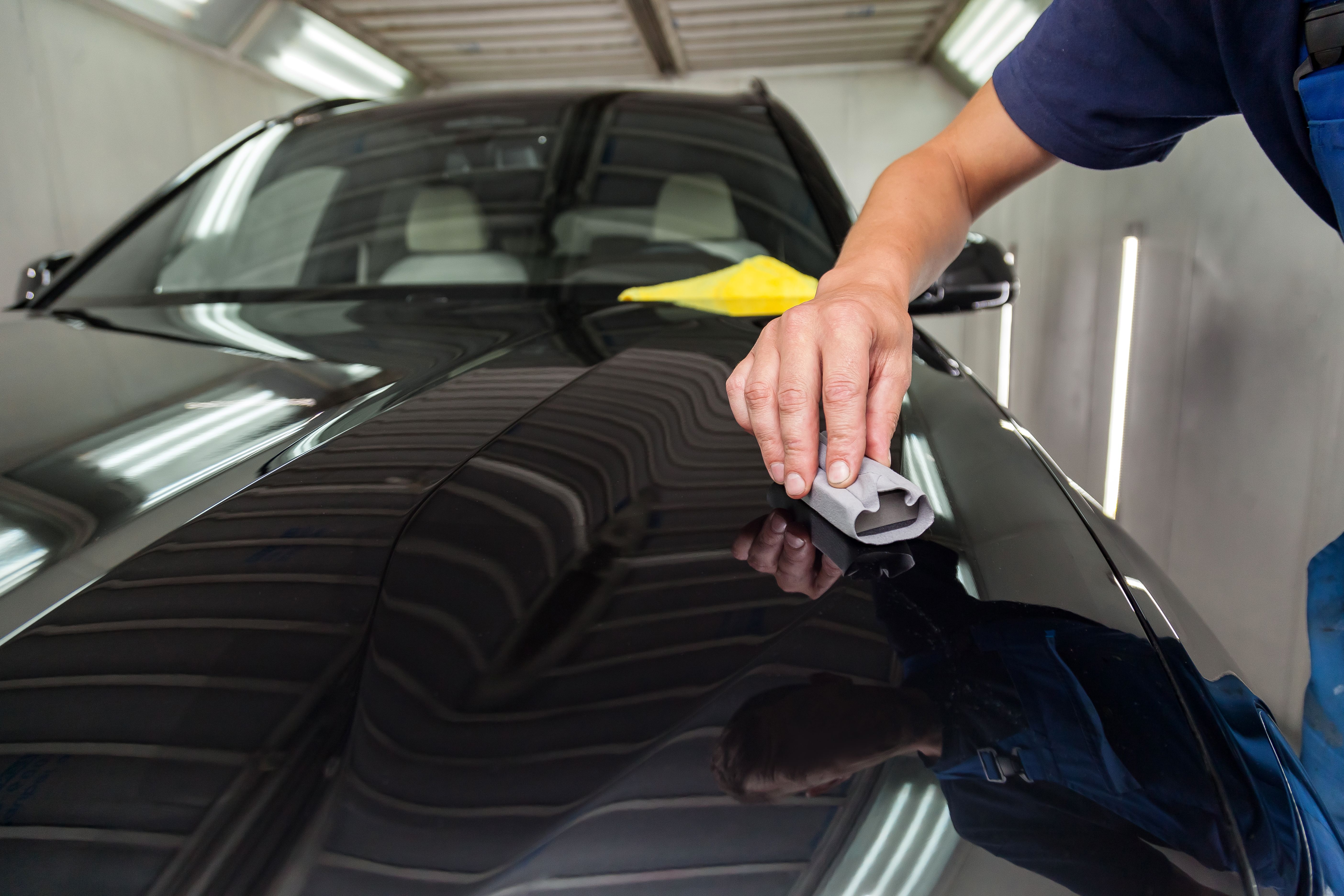
Ceramic coatings have revolutionized the way we protect and maintain our vehicles. These coatings are liquid polymers applied to the exterior surfaces, forming a chemical bond with the factory paint. The result is a durable layer of protection that enhances the appearance and longevity of the vehicle.
The primary allure of ceramic coatings lies in their ability to provide both hydrophobic and UV protection. These features not only preserve the aesthetic appeal of your car but also add to its resale value. In this blog post, we delve into the science behind these remarkable properties.
The Science of Hydrophobic Properties
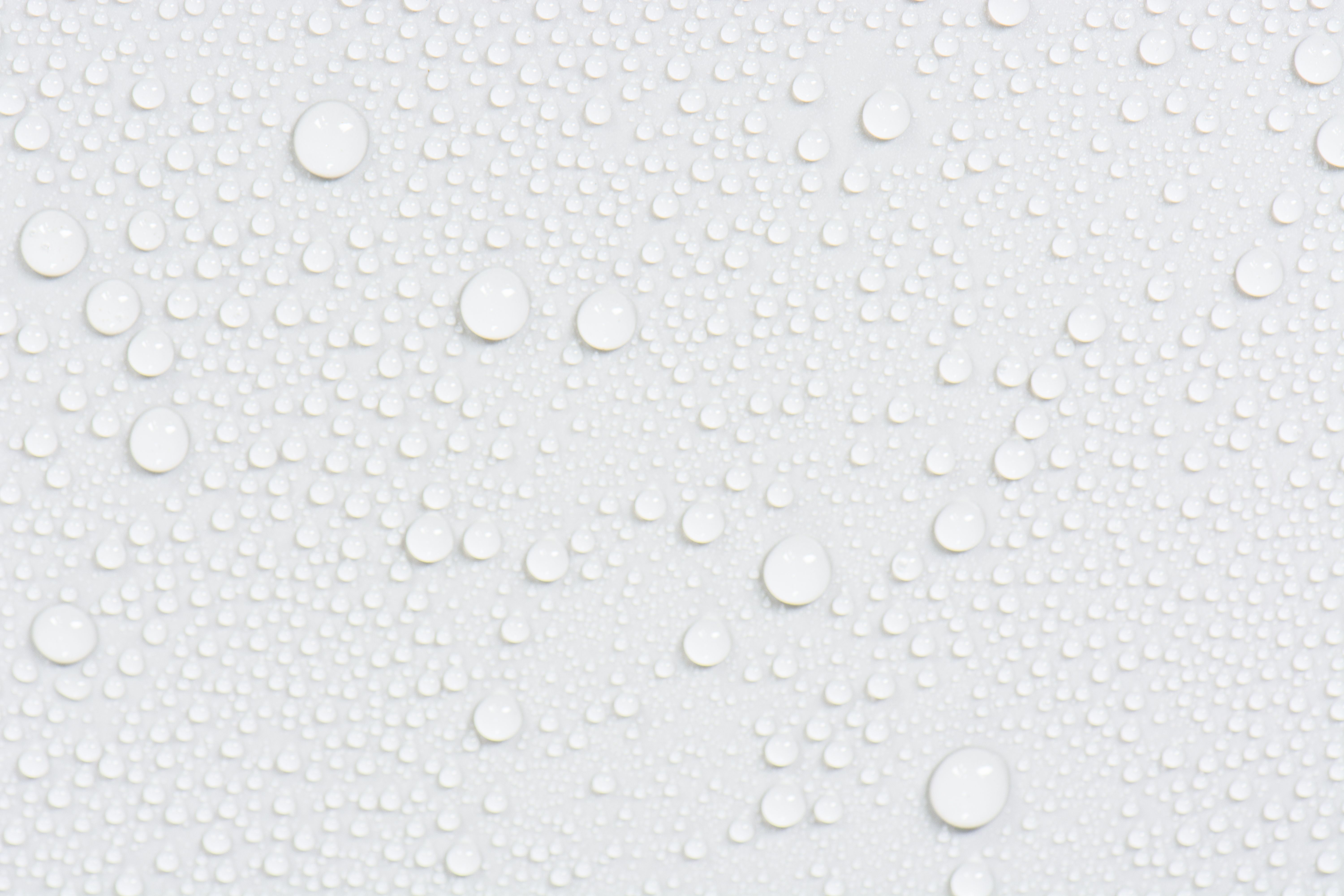
Hydrophobic properties refer to a surface's ability to repel water. In ceramic coatings, this is achieved through the use of nanotechnology. The coating creates a microscopic, uneven surface that causes water to bead up and roll off rather than spread out.
This hydrophobic effect is not just about aesthetics. When water rolls off a surface, it carries away dirt and other contaminants, keeping the surface cleaner for longer. This is particularly beneficial in reducing water spots and stains, which are common concerns for vehicle owners.
How Nanotechnology Works
Nanotechnology is at the heart of the hydrophobic properties in ceramic coatings. By manipulating substances at the molecular level, manufacturers create a coating that is both thin and incredibly tough. This technology allows the coating to bond more effectively with the vehicle's paint, enhancing its durability and water-repelling capabilities.
UV Protection Explained
UV rays can be detrimental to a vehicle's paint, causing it to fade and deteriorate over time. Ceramic coatings provide a layer of UV protection by absorbing or reflecting these harmful rays. This process preserves the vibrant color of your car while preventing oxidation and damage.
The UV protection in ceramic coatings is akin to wearing sunscreen. It acts as a barrier that shields the paint from the sun’s harmful effects, thus maintaining the vehicle's shine and gloss.

Benefits of UV Resistance
The UV resistance offered by ceramic coatings extends the life of your vehicle's paint, reducing the need for frequent polishing or repainting. This not only saves time and money but also contributes to the overall sustainability of vehicle maintenance practices.
Additional Advantages of Ceramic Coatings
Beyond hydrophobic and UV protection, ceramic coatings offer several additional benefits. They provide a glossy finish that enhances the vehicle's appearance and can even increase its market value. The coatings are also resistant to chemicals, bird droppings, and other environmental contaminants.
- Scratch Resistance
- Ease of Cleaning
- Enhanced Durability
In conclusion, ceramic coatings are a worthwhile investment for any vehicle owner. By understanding the science behind their hydrophobic and UV protection capabilities, you can appreciate the value they bring in preserving your vehicle's appearance and longevity.