Paint Correction vs. Ceramic Coating: What Your Car Really Needs


Understanding Paint Correction
Paint correction is a meticulous process aimed at removing imperfections in a car's finish. These imperfections may include swirl marks, scratches, and oxidation. The process involves using specialized compounds and polishes to restore the paint to its original condition. While it can be time-consuming, the results are often remarkable.
One of the key benefits of paint correction is that it enhances the car's appearance by restoring its shine and depth. This can significantly increase the vehicle's value, especially if you are considering selling it. However, it's important to note that paint correction requires professional expertise to avoid damaging the paint.
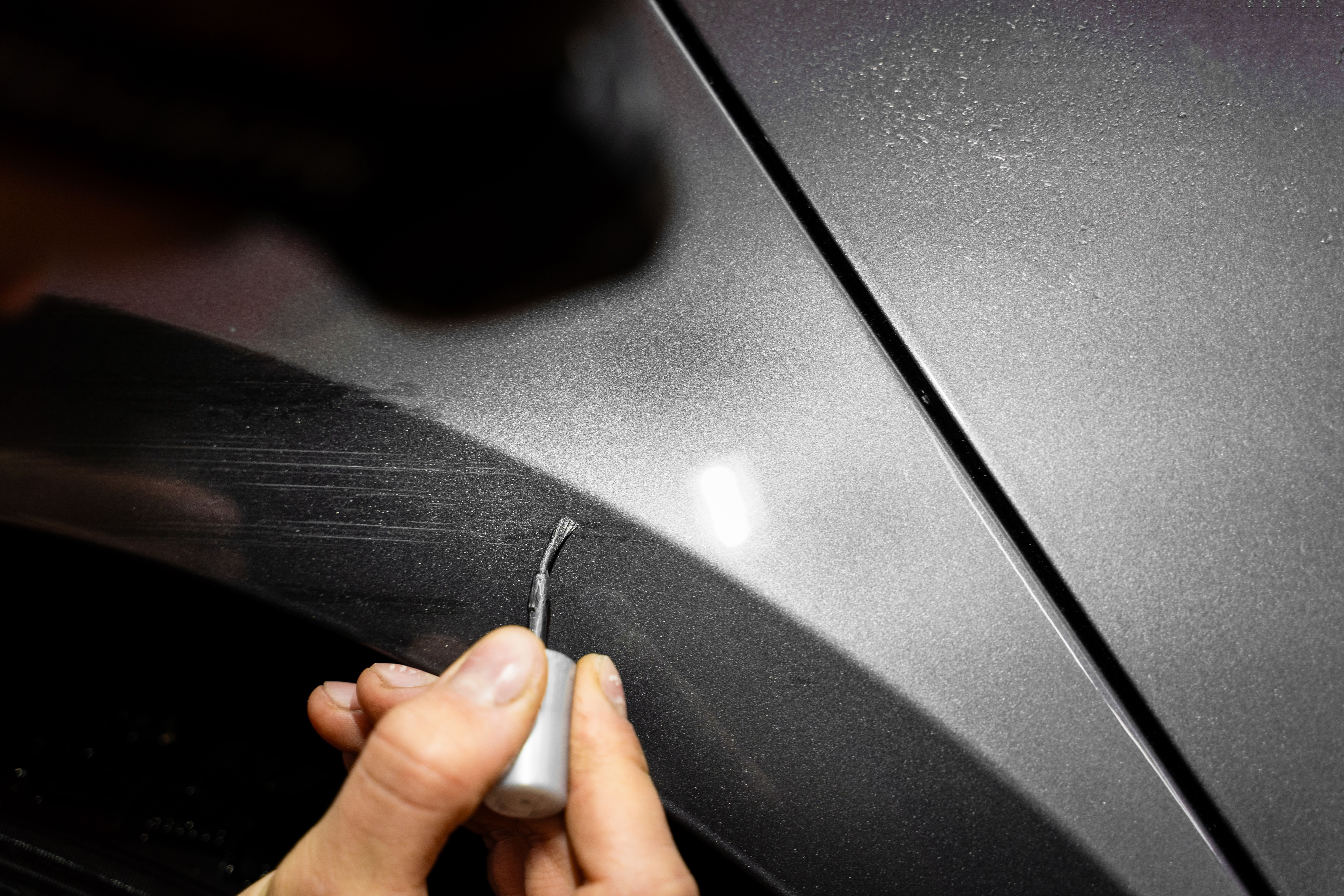
What is Ceramic Coating?
Ceramic coating is a liquid polymer applied to the exterior surfaces of a vehicle. Once applied, it forms a chemical bond with the factory paint, creating a protective layer. This coating offers several advantages, such as resistance to UV rays, dirt, and chemical contaminants.
Unlike traditional wax, which needs frequent reapplication, ceramic coating is more durable and can last for several years. This makes it an attractive option for car owners looking for long-term protection. However, it is not a substitute for regular maintenance and cleaning.
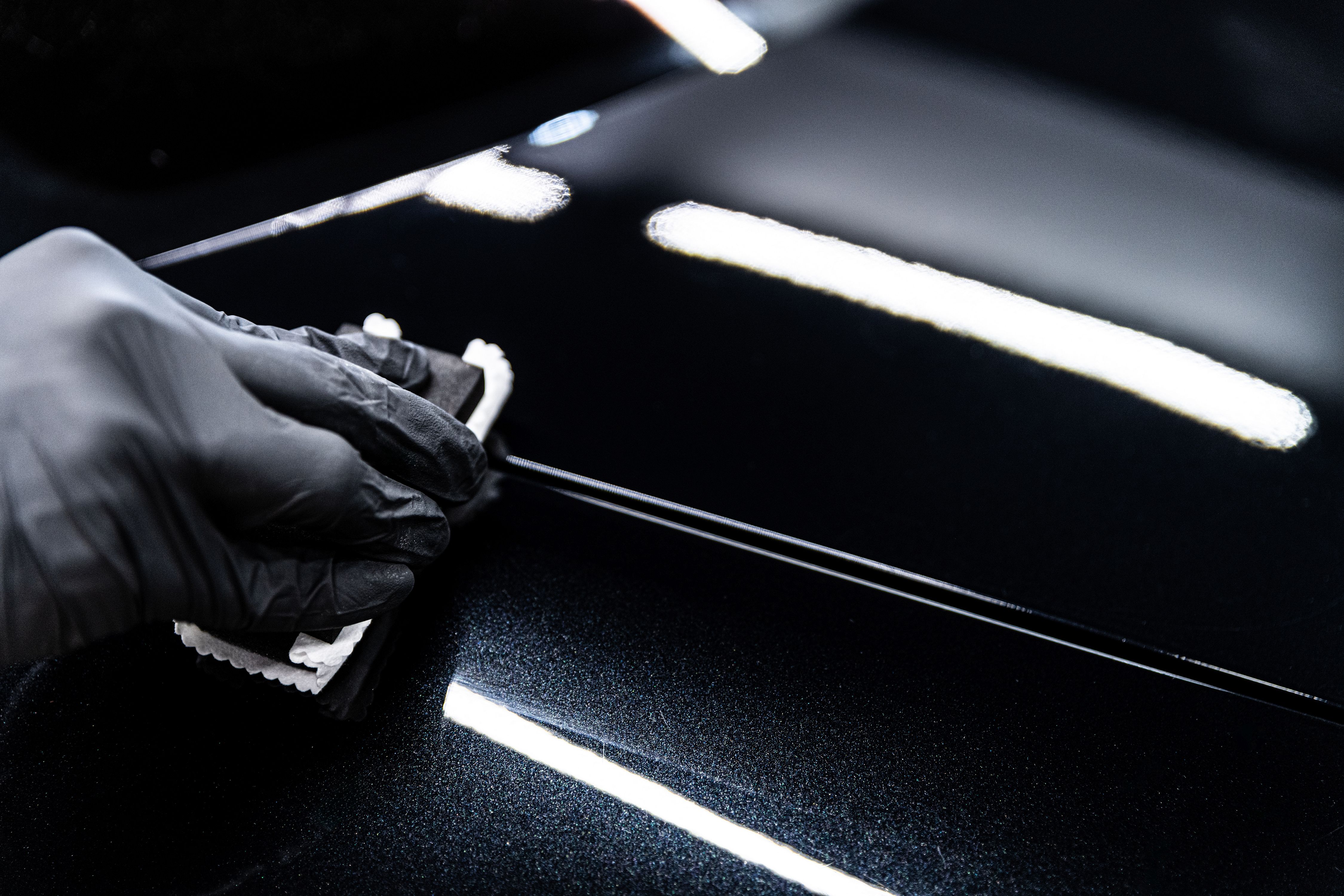
Comparing Paint Correction and Ceramic Coating
While both paint correction and ceramic coating aim to enhance your car's appearance, they serve different purposes. Paint correction focuses on restoring the existing paint by removing defects, whereas ceramic coating provides a protective layer to preserve the paint's condition.
For car enthusiasts who want a flawless finish, combining both services can be an excellent choice. Paint correction can be done first to perfect the paint, followed by ceramic coating to protect it. This combination ensures both aesthetic appeal and durability.
Cost Considerations
When deciding between paint correction and ceramic coating, budget is an important factor. Paint correction can be costly, especially if the car has significant imperfections. Ceramic coating, on the other hand, represents an upfront investment but offers long-term savings by reducing the frequency of detailing services.
Maintenance and Longevity
Both paint correction and ceramic coating require maintenance to maximize their benefits. Regular washing and avoiding abrasive materials are essential to preserving the effects of both treatments. Ceramic coatings specifically benefit from ceramic-safe shampoos and maintenance sprays.
Paint correction results can last for years if properly maintained, but they may need periodic touch-ups. Ceramic coatings, while durable, also benefit from occasional reapplication to maintain their protective qualities.
Conclusion: What Does Your Car Need?
Deciding between paint correction and ceramic coating depends on your specific needs and goals. If your car's paint is heavily damaged, starting with paint correction might be necessary. However, if you're looking for protection and ease of maintenance, ceramic coating is a worthy investment.
Ultimately, both services can complement each other, offering the best of both worlds: a stunning finish and long-lasting protection. Consulting with a professional detailer can help you make the most informed decision for your vehicle.